Local Property Context
Concrete Work for Spring Valley Properties
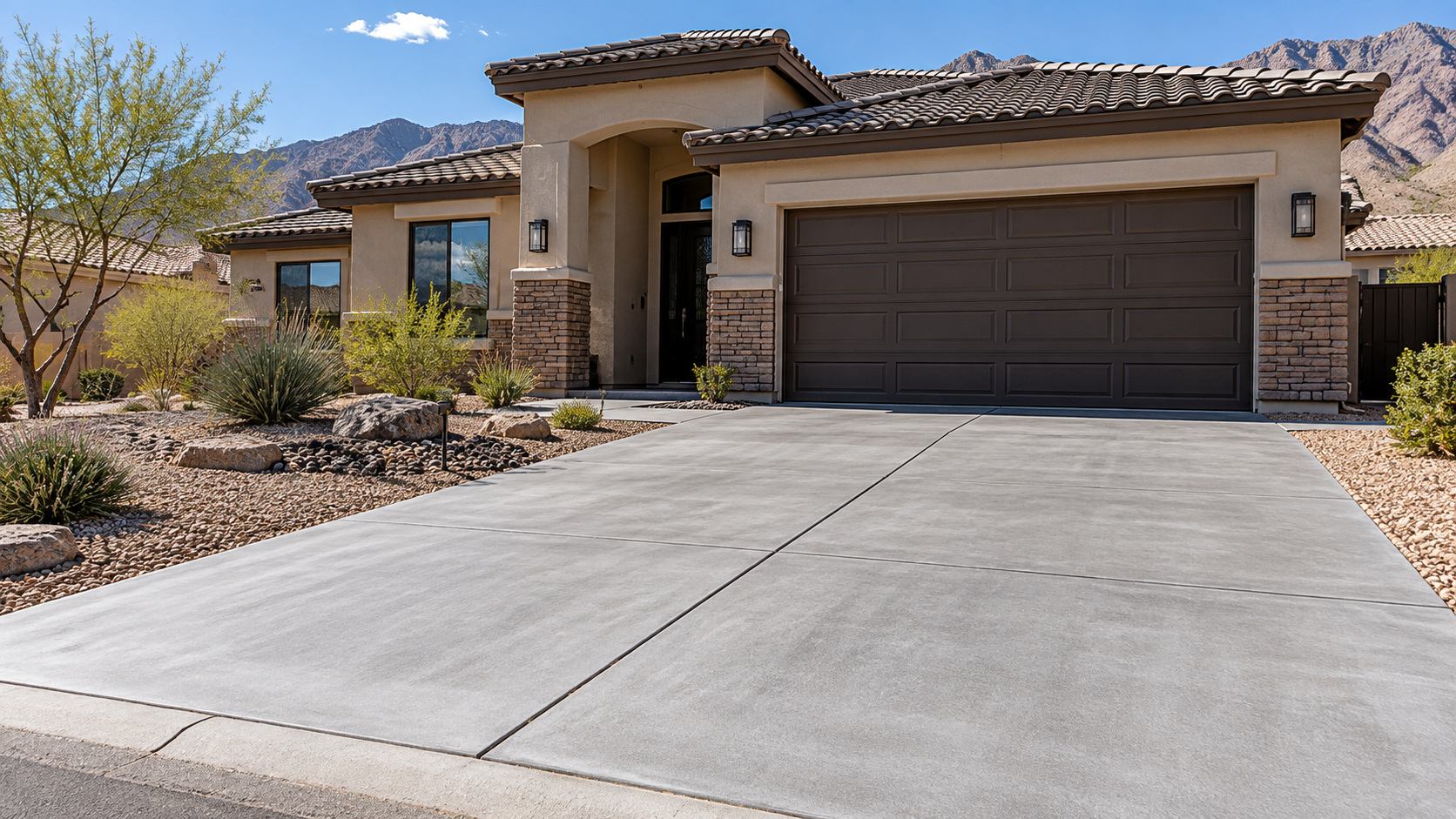
We serve Spring Valley with concrete work for driveways, patios, slabs, parking areas, repairs, walkways, pool decks, structural scopes, and selected commercial projects. Spring Valley occupies a large part of the southwest Las Vegas Valley. Clark County planning documents describe established development in the north and east with newer growth toward other portions of the area, producing a mix of mature neighborhoods and newer residential or commercial projects.
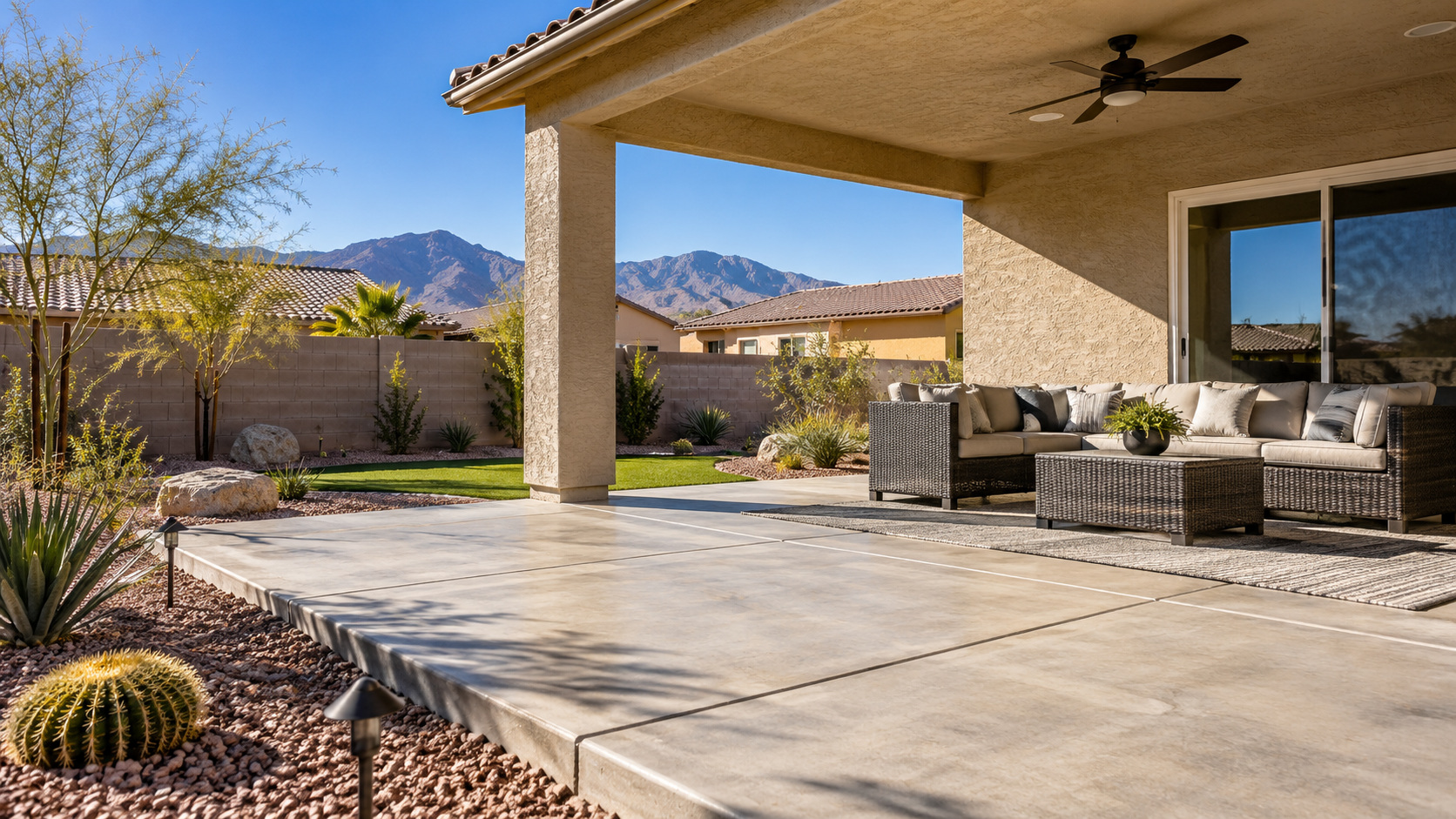
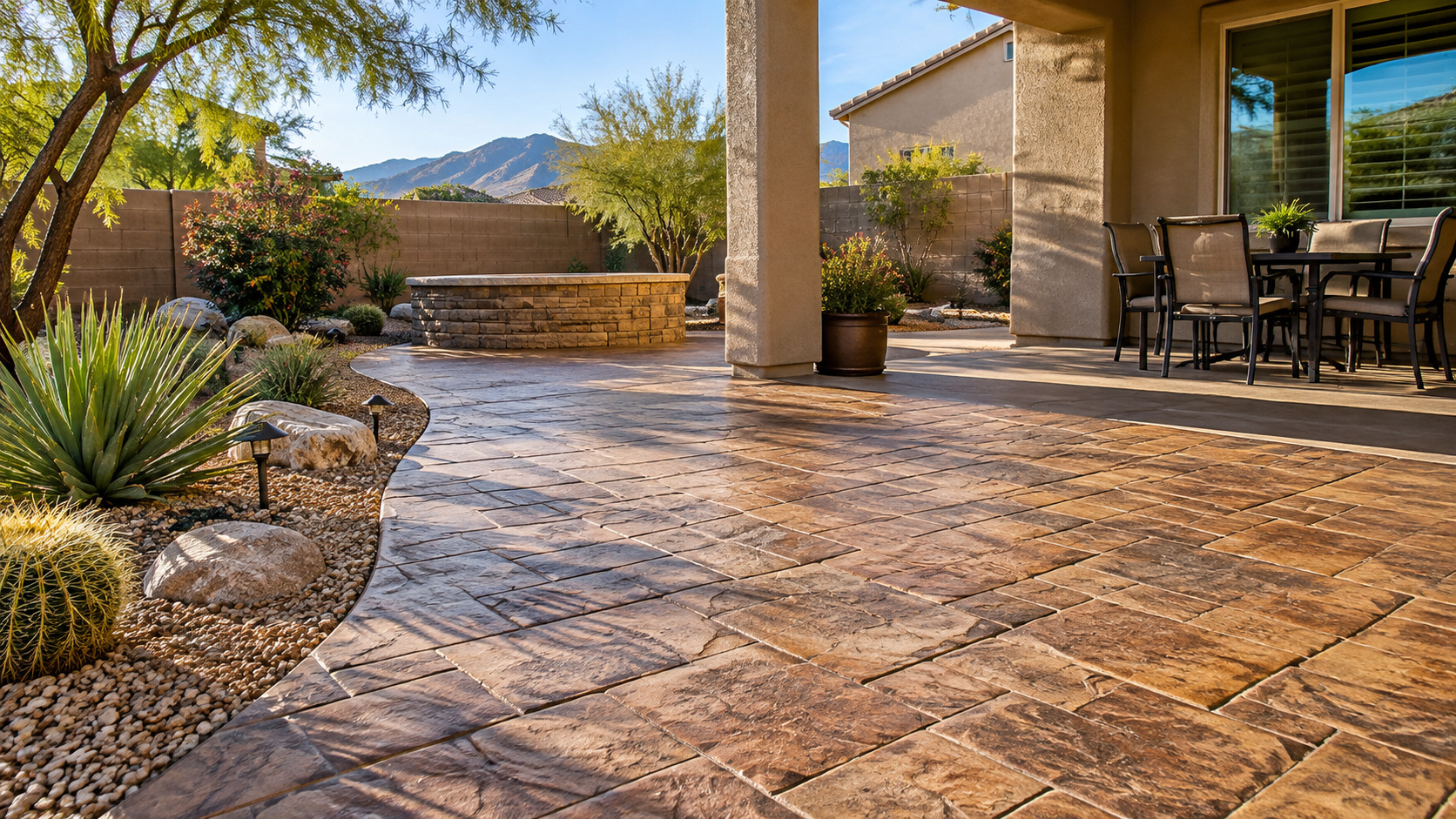
Concrete demand can include replacement flatwork at older homes, new patios and outdoor-living surfaces, pool decks, driveway extensions, RV or parking pads where lots allow, and commercial work around active properties. The neighborhood context and property layout vary substantially across the area.
Access, Grade, and Existing Improvements
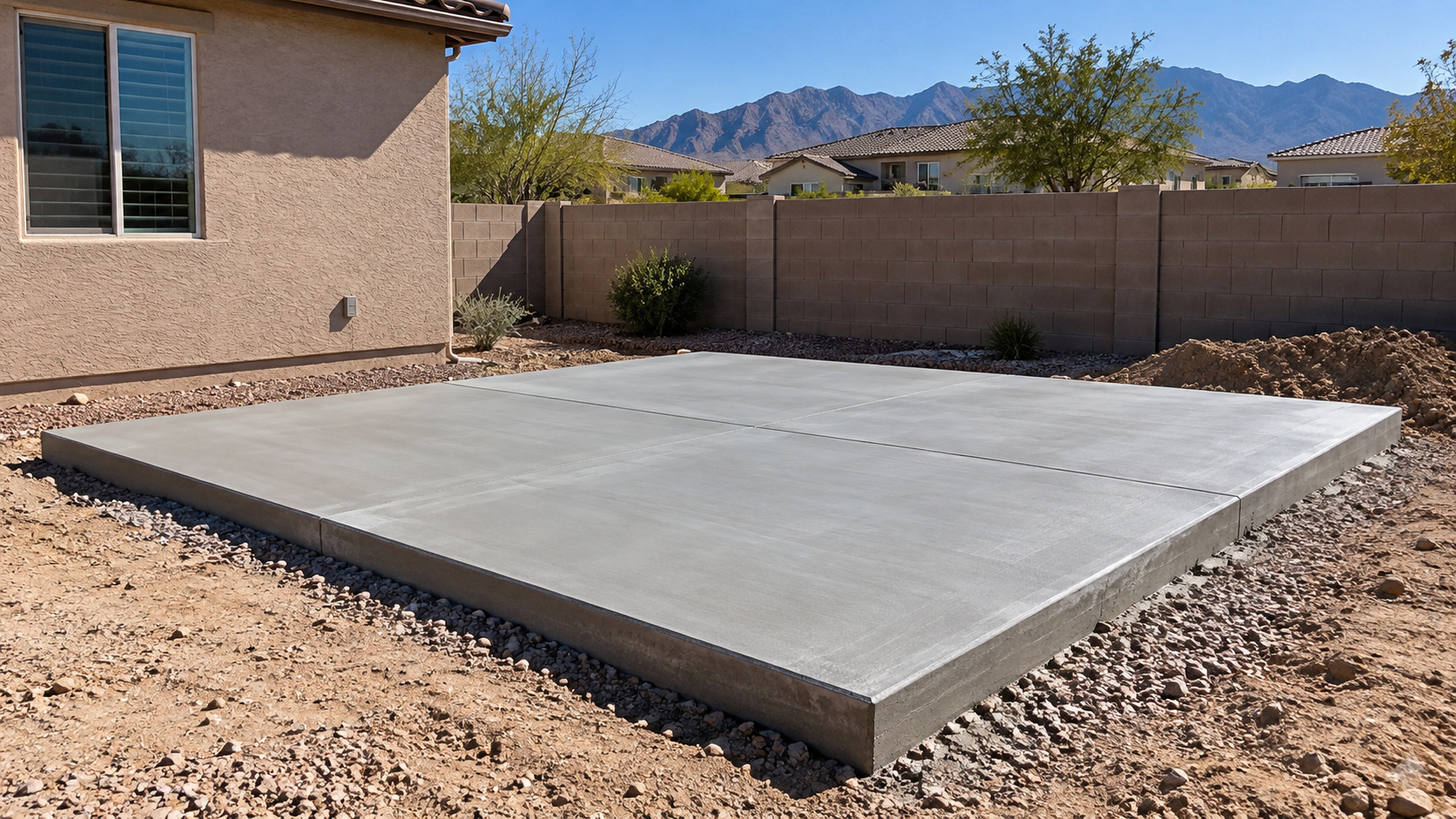
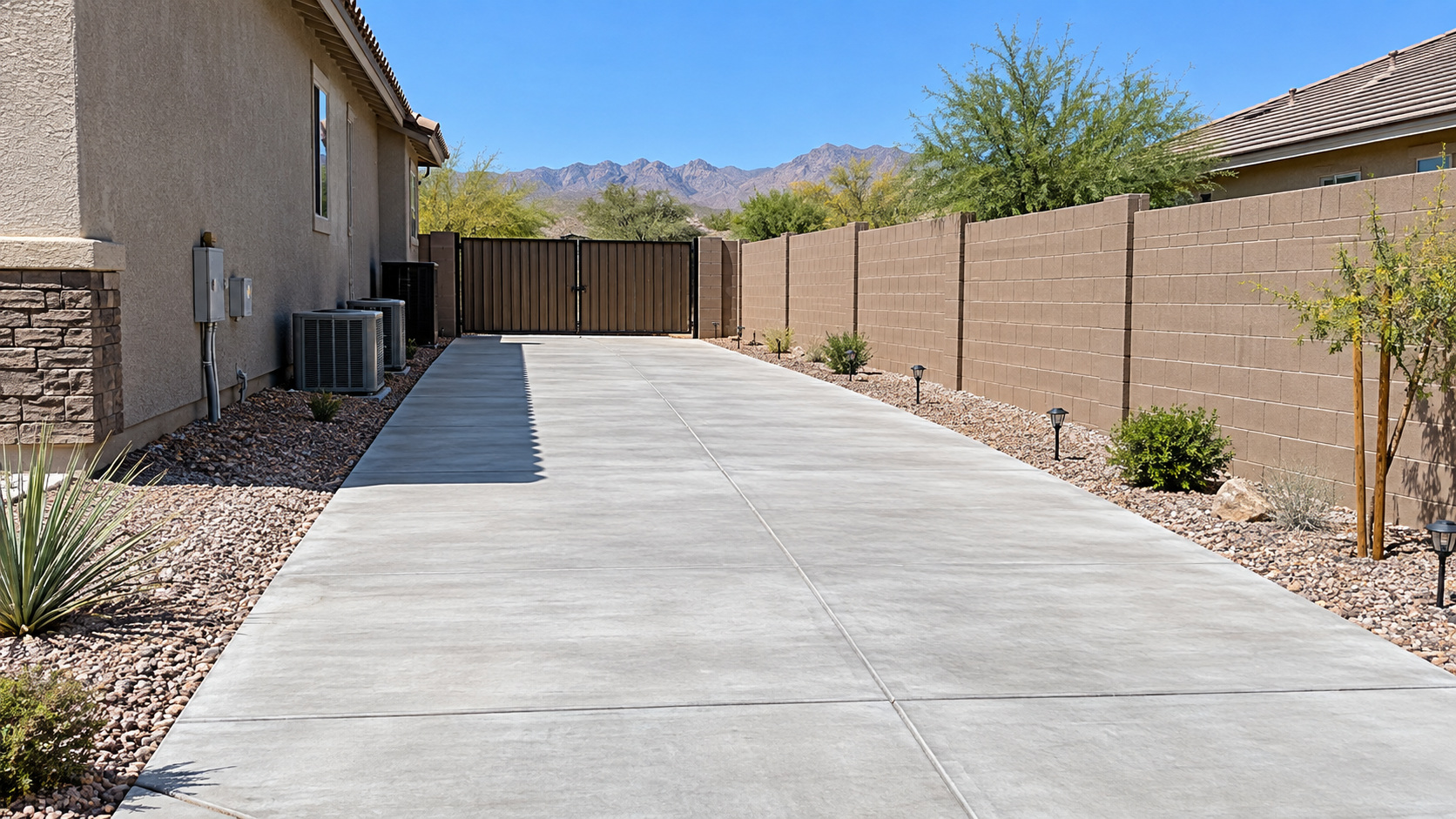
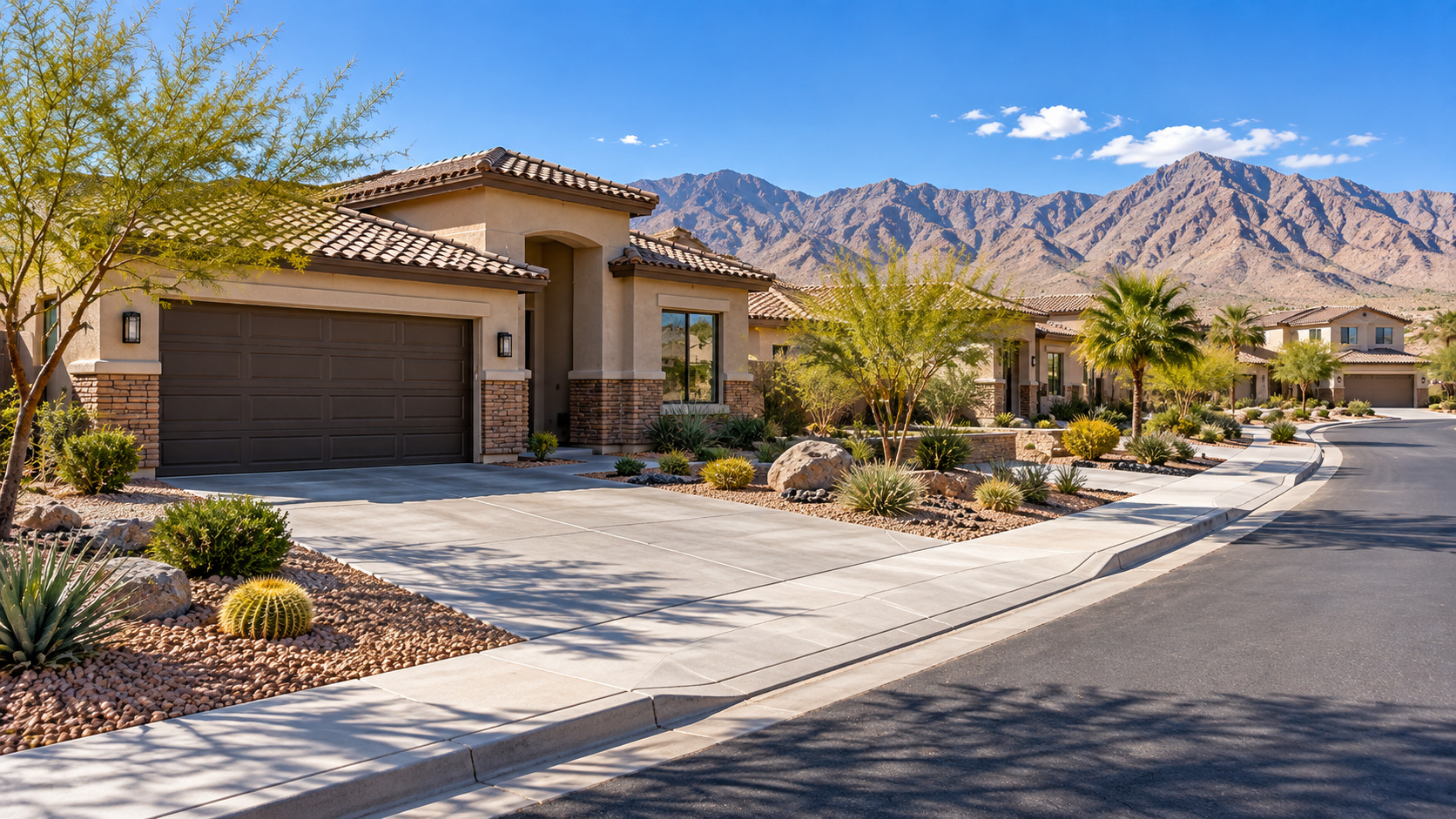
When we plan concrete work here, access, grade, existing improvements, and the way the property is already used all affect the scope. Block walls, pools, mature landscaping, utility equipment, and side-yard gates often shape backyard access. Newer developments may offer cleaner construction access but can have HOA or community design considerations that affect finish choices and work hours.
Concrete layout should connect cleanly to the property that already exists. Garage slabs, doors, gates, walls, landscape rock, irrigation, pools, equipment, and neighboring concrete can all influence forms, elevations, joints, demolition, and the route used to move material.
Gate width, staging, hauling distance, and occupied areas affect labor and equipment.
Finished surfaces should move water away from buildings and avoid new low spots.
Transitions should account for elevations, joints, movement, and the condition of slabs that remain.
Local Planning
What Is Different About Spring Valley
We plan Spring Valley projects around the local property pattern rather than assuming every part of the valley works the same way. Spring Valley is an unincorporated Clark County town. Permit questions should be directed to the authority responsible for the actual parcel and project, especially when work intersects with public improvements or structural construction.
The same concrete service can require a different plan from one property to another. We use the actual address, access, intended use, and jurisdiction to shape the estimate instead of applying one generic valley-wide assumption.
Concrete Project Types Worth Planning Carefully
We match the concrete scope to the way the finished surface will actually be used. Driveways and vehicle pads should reflect expected loads and turning access. Patios and pool decks should balance drainage, finish, shade, and pedestrian use. Repair work should address the cause of damage rather than only the surface symptom. Structural slabs and footings should follow project plans and inspection requirements when those apply.
Commercial work adds phasing, pedestrian routing, traffic, delivery access, and occupied-site protection. Those operational constraints can be as important to the estimate as concrete quantity.
Cost and Estimate Factors
When we prepare an estimate, we look at the full job rather than relying on a generic per-square-foot number. Concrete pricing changes with square footage, thickness, reinforcement, demolition, excavation, base preparation, grading, access, finish, forming complexity, placement conditions, and permits. A smaller but difficult backyard project can require more labor per square foot than a larger open driveway.
Treat broad online price ranges as budgeting context only. Our estimate is based on the actual property, preparation, access, finish, and scope rather than a generic market average.
| Scope Item | Why It Changes Cost |
|---|---|
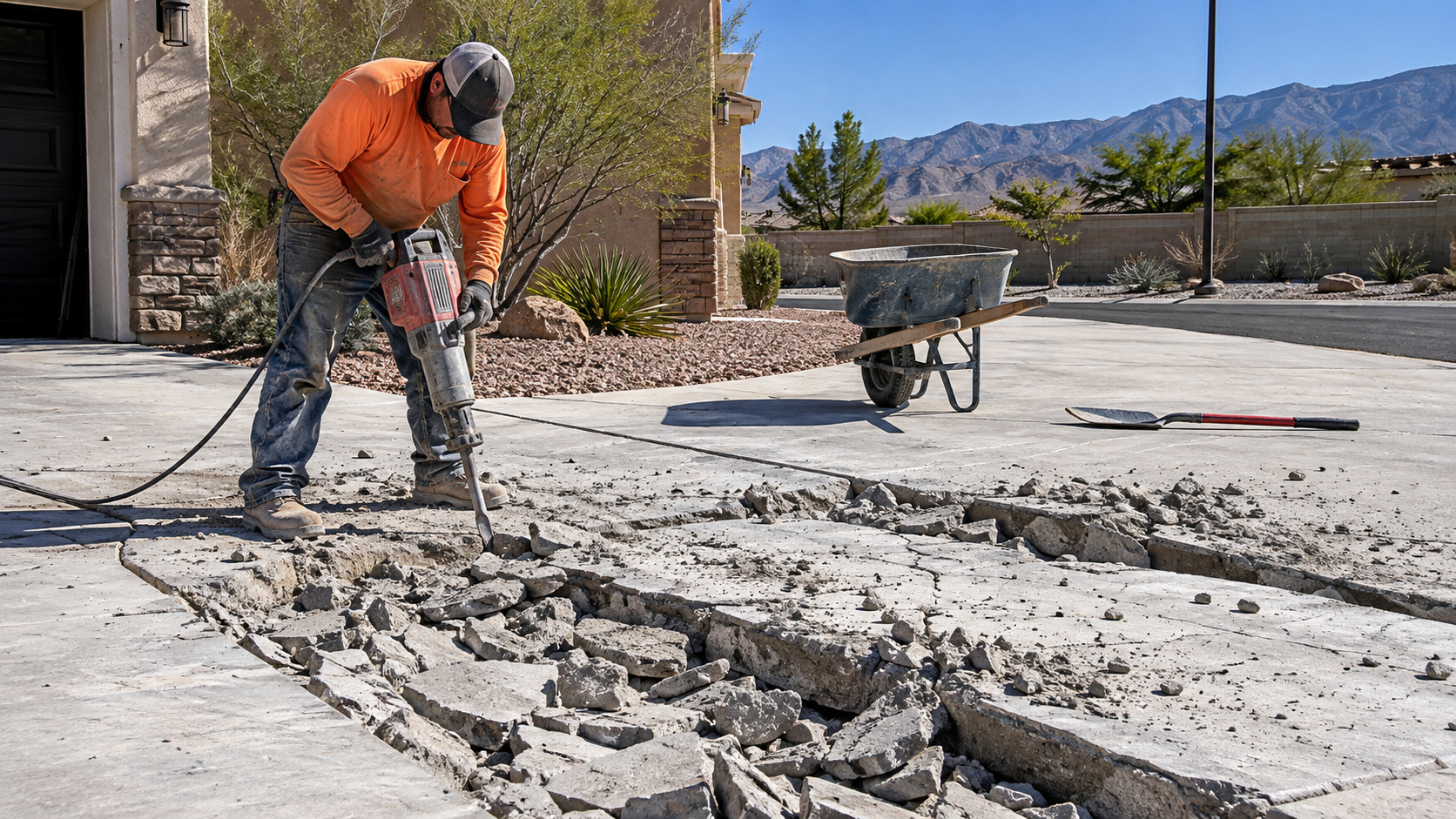
| Removal | Existing concrete may require sawcutting, breaking, loading, and disposal. |
| Access | Narrow gates and long placement routes increase handling. |
| Base work | Soft areas, excavation, imported material, and compaction add scope. |
| Finish | Decorative color, stamps, borders, and detail add labor and material. |
| Load | Vehicle or structural use can affect thickness and reinforcement. |
| Jurisdiction | Permits, plans, or inspections depend on the project and property. |